Author
Elena Karkalanova
News
Early parliamentary elections 19 April 2026
Was the election campaign for the 52nd Parliament motivating or lacking ideas?
Friday 17 April 2026 09:05
Friday, 17 April 2026, 09:05
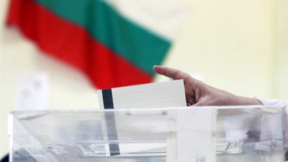
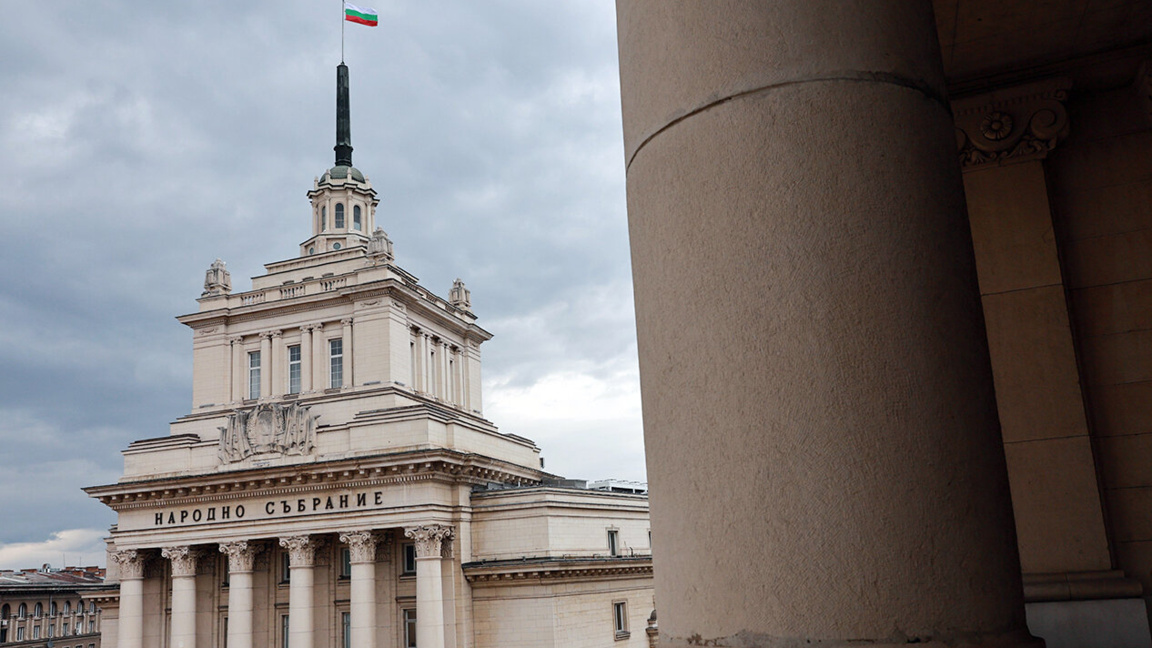
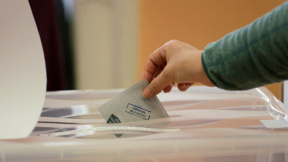
PHOTO BTA
Font size
The final hours of the election campaign ahead of the early parliamentary elections in Bulgaria on April 19 are being counted down. The campaign ends 24 hours before election day, at midnight on April 17. Many parties are using the last days to hold their closing campaign events in an effort to attract voters, which raises a logical question – was this eighth campaign in the past five years motivating or lacking in ideas?

Assoc. Prof. Nikolay Dimitrov
PHOTO Ani Petrova
“We find ourselves in a spiral of elections, and the short time between them leads to fatigue and a sense that nothing is changing. At the same time, we experienced a campaign with a striking lack of clear messages. Many parties focused on attacking their opponents instead of offering concrete solutions to issues such as inflation, incomes, and long-standing problems like healthcare. Additionally, the traditionally low trust in institutions creates a sense of cynicism, with people believing their vote has no real impact.”
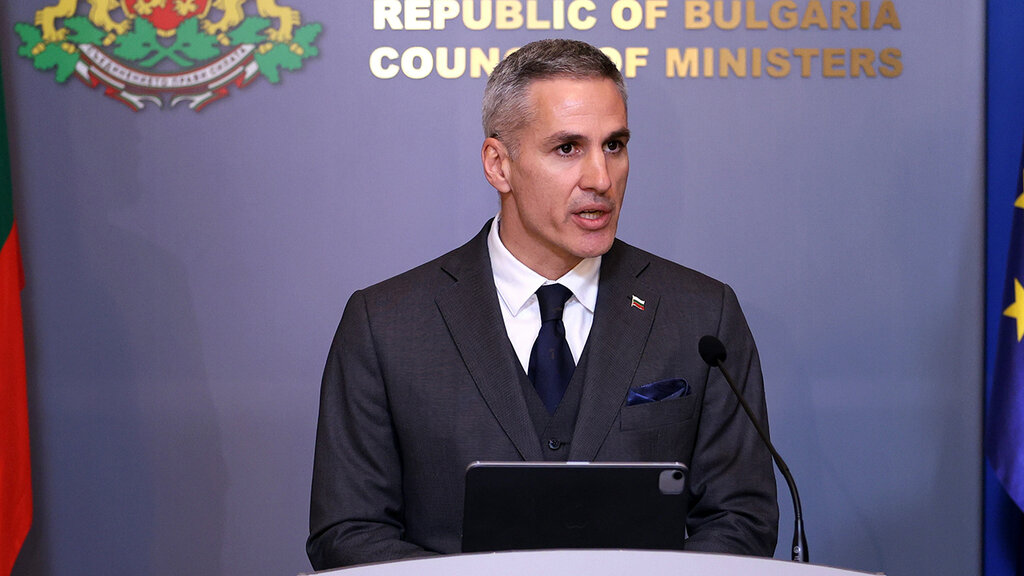
Caretaker Prime Minister Andrey Gyurov
PHOTO BTA
“High voter turnout is stronger than any criminal schemes,” caretaker Prime Minister Andrey Gyurov reminded citizens four days before the vote, announcing the end of so-called “dark voting booths,” which will now be replaced by standardized screens used for the first time. A special application will assist visually impaired citizens in voting. The Interior Ministry reported a rise in signals of election violations, nearing 2,000, with over 200 people detained for vote-buying. The caretaker Interior Minister urged citizens not to be afraid and to vote in large numbers - but will this lead to higher civic participation?
Assoc. Prof. Dimitrov remains skeptical:
“I strongly doubt it. This is not the first time we’ve seen such promises from caretaker governments about ensuring fair and transparent elections, yet they have had limited success. These governments have a short constitutional lifespan and lack real governing power to establish authority, even within the ministries they oversee - especially the Interior Ministry, but also the Foreign Ministry, which is responsible for organizing voting abroad.”
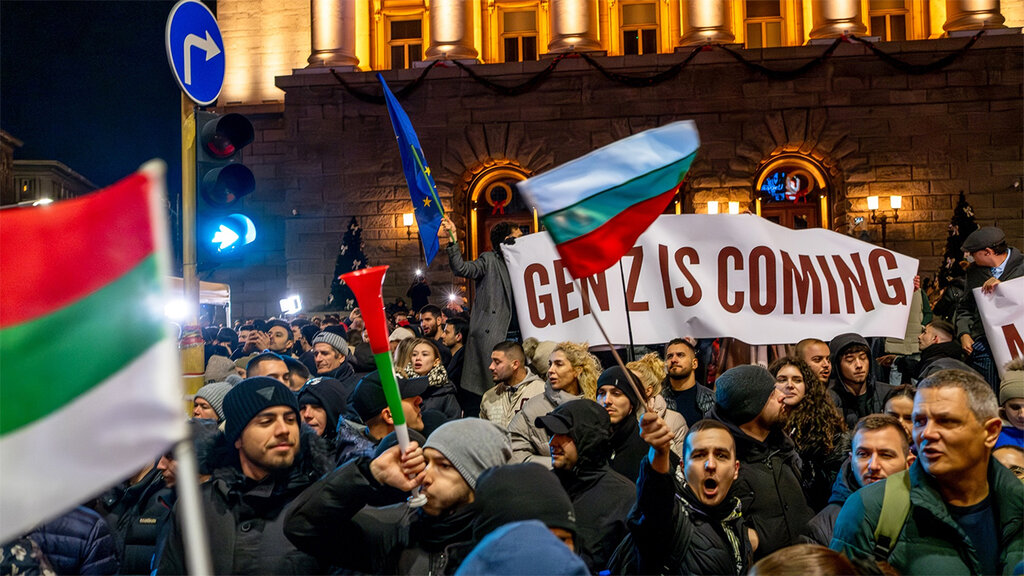
PHOTO banker.bg
A significant role in triggering these early elections was played by Generation Z - young people protesting against the status quo, oligarchy, and state capture, who filled the squares at the end of 2025. According to the National Youth Forum, 590 of the 4,200 candidates for the 52nd National Assembly are young people. But have political parties managed to address young Bulgarians effectively and motivate them to vote?
“I regret being so blunt, but I believe Bulgarian political actors prefer not to attract new groups of voters,” Dimitrov said. “I’m not referring only to Generation Z in this case, because they are relatively unpredictable when it comes to voting. Political parties - especially the establishment, the older major parties - prefer to work with a limited circle of voters, their core electorates, and avoid expanding into new territories. This is precisely because something like what we saw in Hungary, and earlier in Romania, could happen - a very high voter turnout that could disrupt the plans of both those in power and those aiming to govern.”
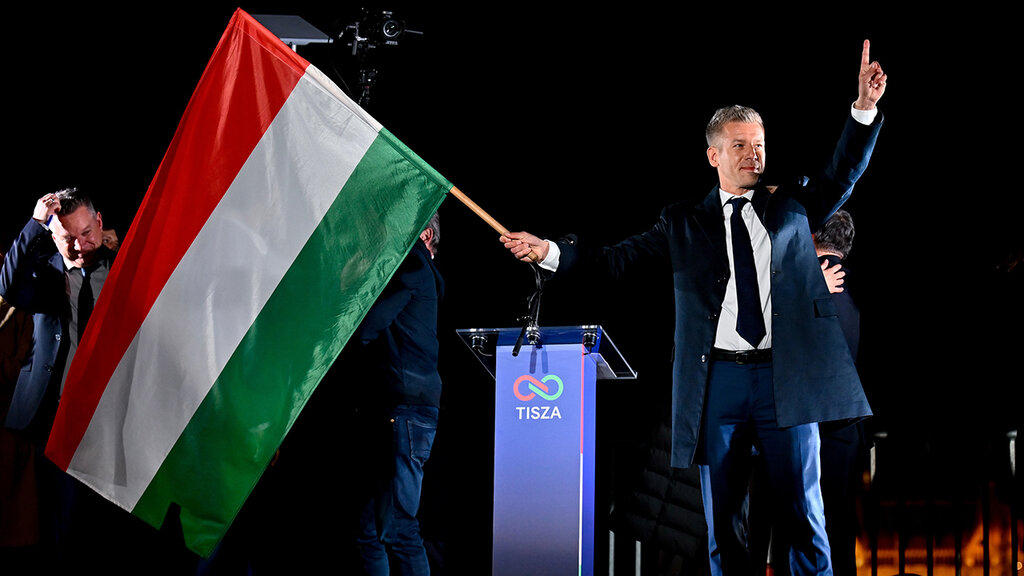
Péter Magyar, leader of the TISA party, waves the Hungarian flag after the announcement of partial election results in Budapest
PHOTO AP/BTA
According to Dimitrov, an 80% turnout like Hungary’s is unattainable in Bulgaria due to voter fatigue and a political environment where people feel their vote will not bring real change. He predicts turnout will be similar to the previous 2024 elections (below 40%), possibly slightly higher due to the emergence of a new political player attracting fresh support - but not at levels that would be considered surprising as in Hungary.
The organization of voting abroad sparked serious political debate and led to last-minute amendments to the Electoral Code. A limit of 20 polling stations was introduced for locations outside diplomatic and consular missions in non-EU countries. How do Bulgarians abroad engage with elections?
Déjà vu: Fewer polling stations and more obstacles for Bulgarians voting abroad
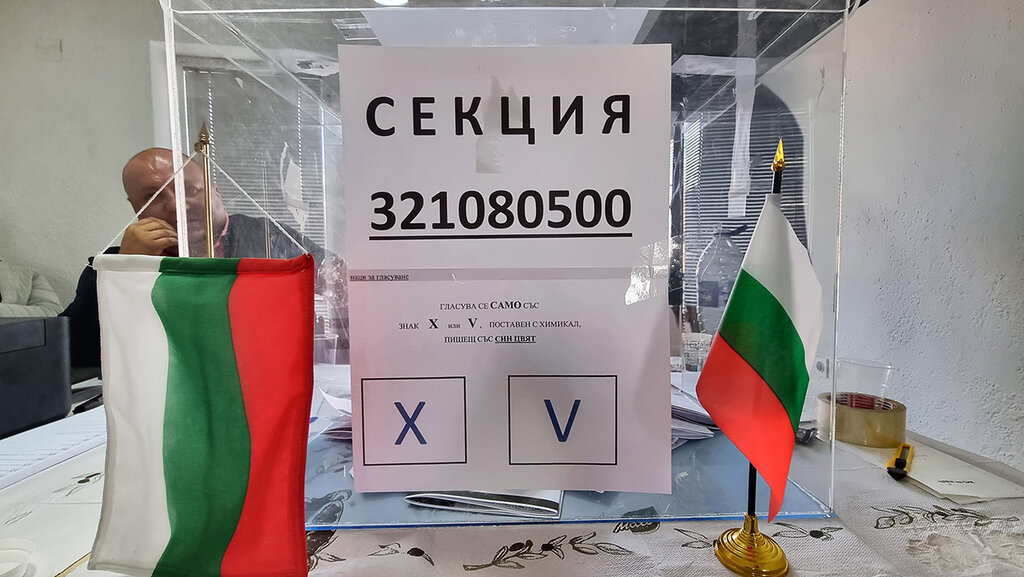
PHOTO BTA
“Votes from abroad are an interesting phenomenon, but we cannot speak of a single, uniform group of Bulgarians living abroad - they are very diverse, even depending on the country they live in. For example, votes from Turkey traditionally support specific political players, where campaigning is almost unnecessary. Meanwhile, Bulgarian communities in Western Europe and the United States are quite numerous and different in mentality. The UK, now outside the EU, will face difficulties due to restrictions on polling stations, which could paradoxically increase turnout. Overall, it is complex and inaccurate to generalize about Bulgarians abroad. Their motivation is often emotional, influenced by relatives in Bulgaria, and they tend to support the same parties as their families back home. Over the years, this has sometimes led to surprising results, including support for nationalist or anti-European parties.”
Radio Bulgaria will continue to follow the process through a series of interviews with Bulgarians in different countries, available on election day, along with further analyses of the results.
Read also:
Foreign Ministry unveils interactive map of polling stations abroad
Number of Bulgarians abroad applying to vote doubles compared to 2024
English: R. Petkova
This publication was created by: Rositsa Petkova