


News
A lesson on Bulgaria…with children from "Assen and Iliya Peykovi" school in Rome
Veneta Nenkova: If children love Bulgaria, they will work for it, even if they live abroad
Saturday 18 July 2026 05:30
Saturday, 18 July 2026, 05:30
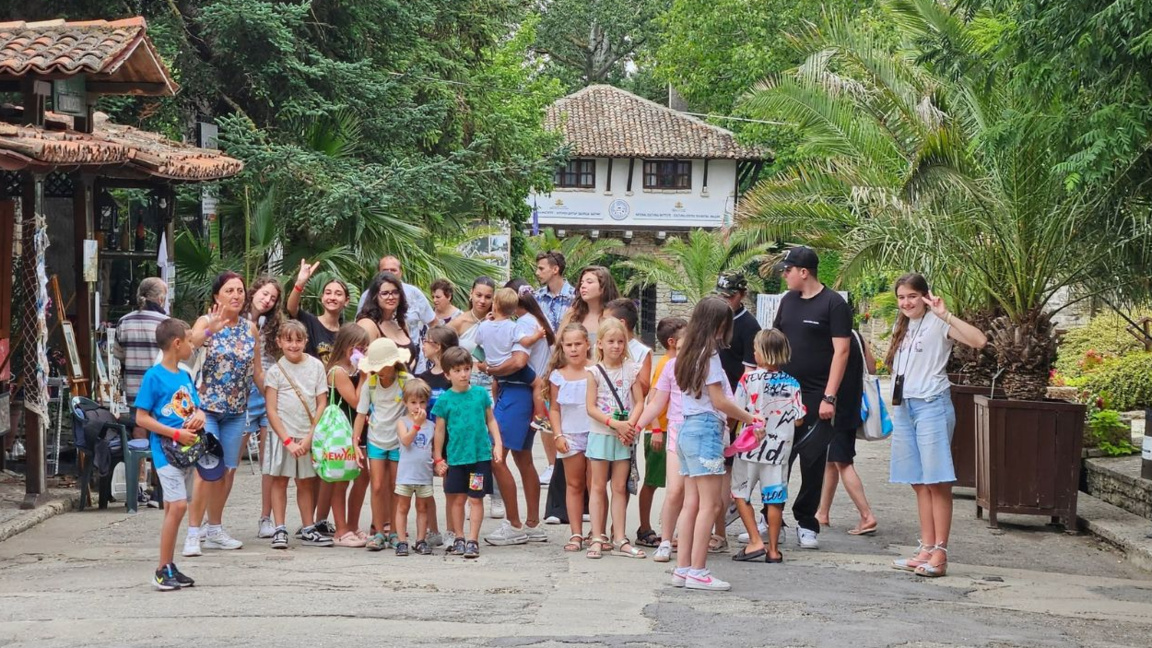
PHOTO Veneta Nenkova
Font size
Nearly 30,000 Bulgarian children ended the 2025-2026 school year in all 402 Sunday schools in 45 countries around the world, recognized by the Ministry of Education and Science. One of them is the Bulgarian Sunday School "Assen and Iliya Peykovi" in Rome with branches in Florence and Avellino (Italy). The educational center opened its doors for the first time in 2014. Like many other schools abroad, it all started with the desire of a group of enthusiastic Bulgarians to pass on their native language, culture and traditions to their children, recalls one of its founders - Veneta Nenkova, head of the Parallel 43 Cultural Association, which administers the school.
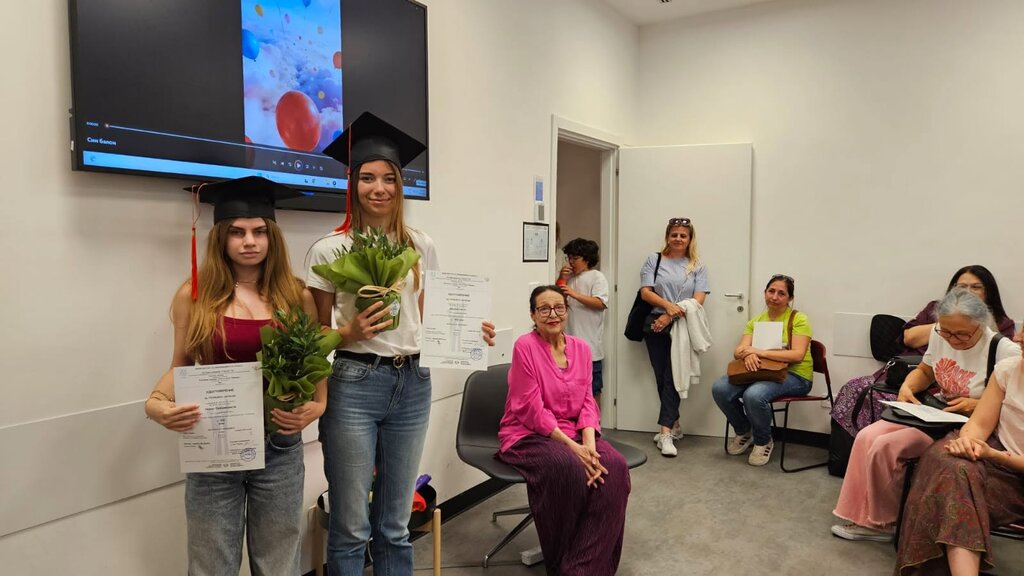
PHOTO Veneta Nenkova
"I was motivated because of my daughter, who was six years old at the time and refused to speak Bulgarian, but this happens to many Bulgarian children. During this period, around 2014, other Bulgarian schools were actually established in Italy - it was as if we all suddenly woke up," Veneta Nenkova says.
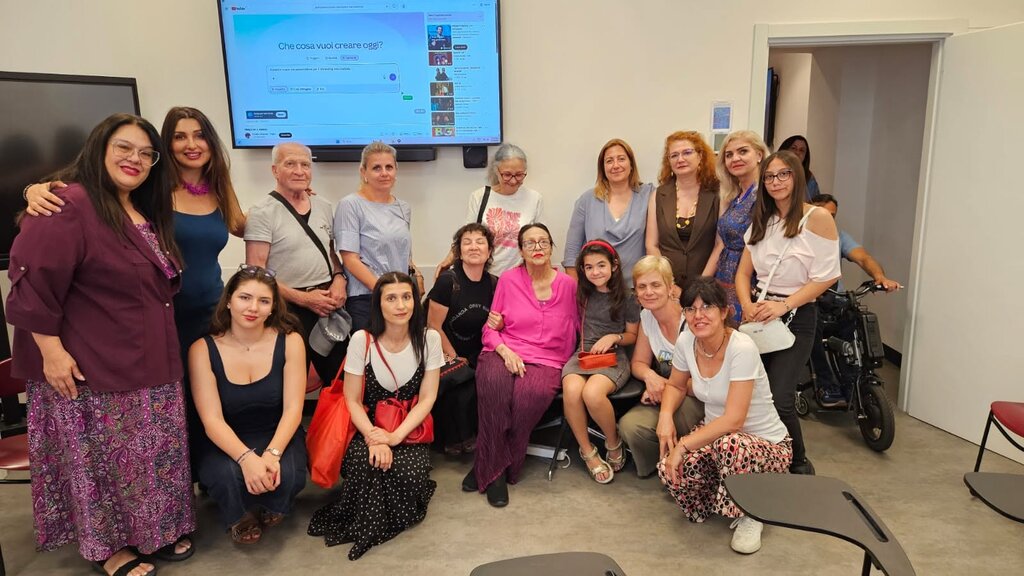
PHOTO Veneta Nenkova
It is easy to create a school, but difficult to administer it over time, she says. However, she and her team are coping with the challenges. Today, there are three branches of the "Assen and Iliya Peykovi" school - in Rome, Florence and Avellino, in which more than 75 students are enrolled.
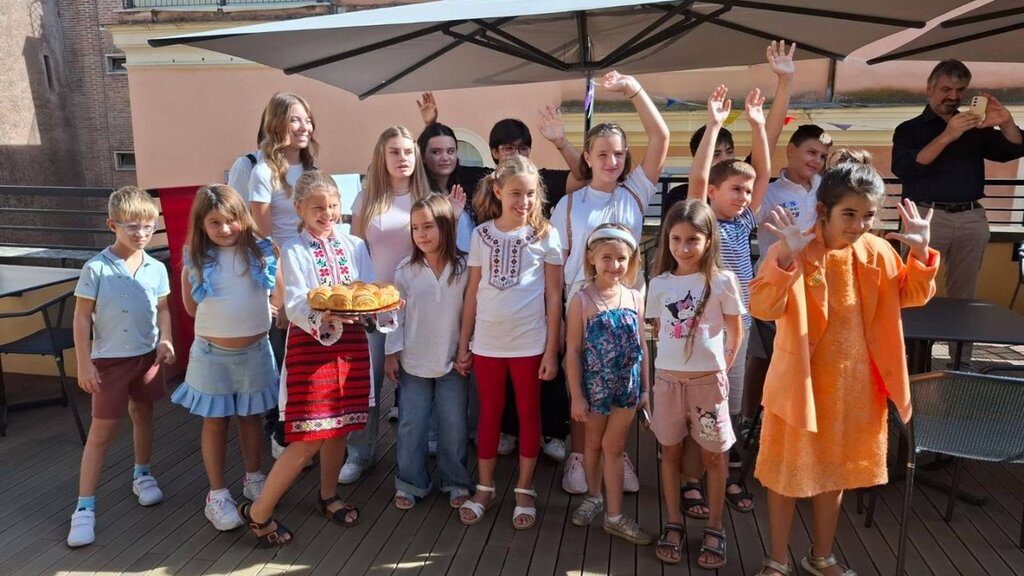
PHOTO Veneta Nenkova
"From a hobby, the school has become a mission and now it's just hard for me to imagine how I could live without it. Working with children is fascinating and you realize that perhaps one of the few things that is truly worth investing in is investing our time in the future, not only of Bulgaria, but in the future that our children represent."
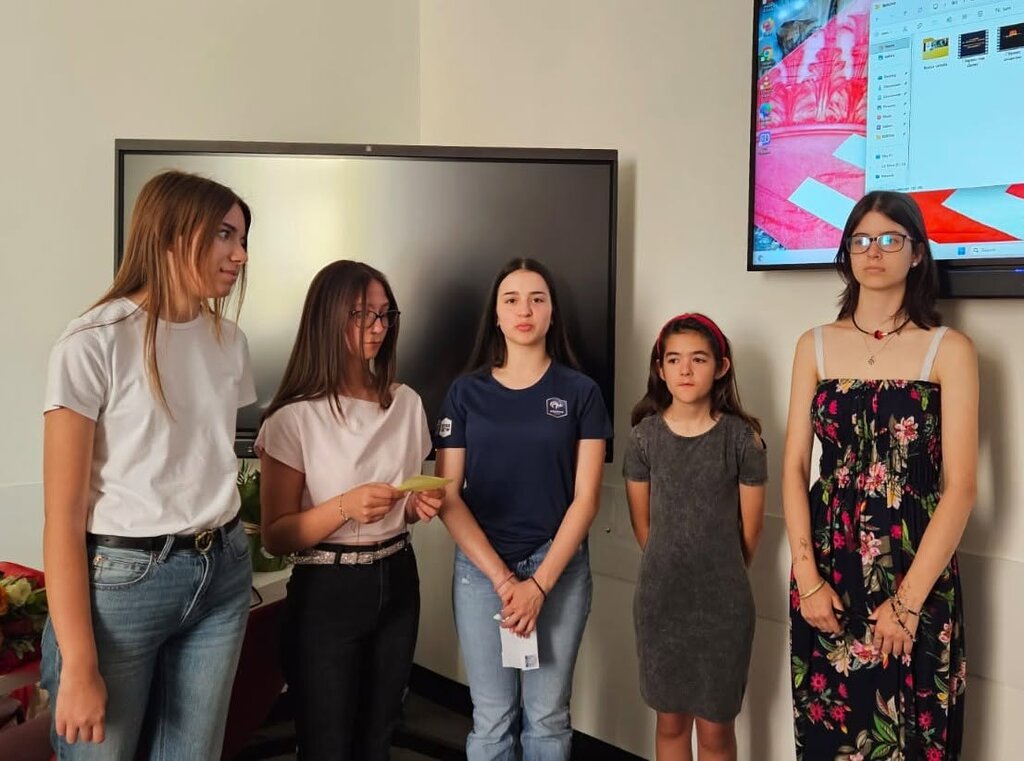
PHOTO Veneta Nenkova
She
sees optimism today in the first graduates who have completed the
entire educational process from 1st to 12th grade of the Bulgarian
Sunday School, which she heads.
"We
are also thinking about them, because we are about to create an
organization of Bulgarian youth and students abroad, so as not to
miss out on these children who, once they have graduated from our
Bulgarian schools, continue to work for the cause of Bulgaria. These
are children who love Bulgaria and this is also thanks to the
National Program ‘Educational Routes’ - a unique program. It is
during these vacations in the homeland that the bond between the
children is strengthened. They begin to feel like part of this
Bulgarian community, which we managed to create with great
difficulty. They are simply in love with Bulgaria and this is our
greatest reward."
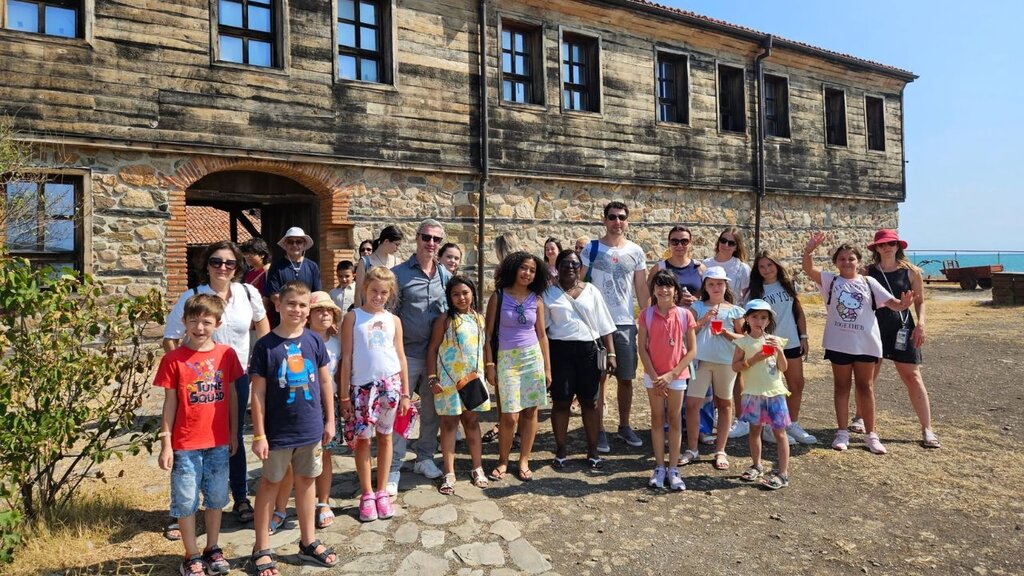
PHOTO Veneta Nenkova
The Bulgarian children from Rome summarize their unforgettable moments in Bulgaria in videos with which they participated in the "Lesson on Bulgaria" initiative of Radio Bulgaria:
This summer, for the fourth consecutive year, the graduates of the Bulgarian school in Rome will travel to their homeland under the national program of the Ministry of Education and Science. The group will consist of 30 students and their parents, who will again accompany their children to Bulgarian lands at their own expense. The destination in August is the children's favourite resort "Albena."
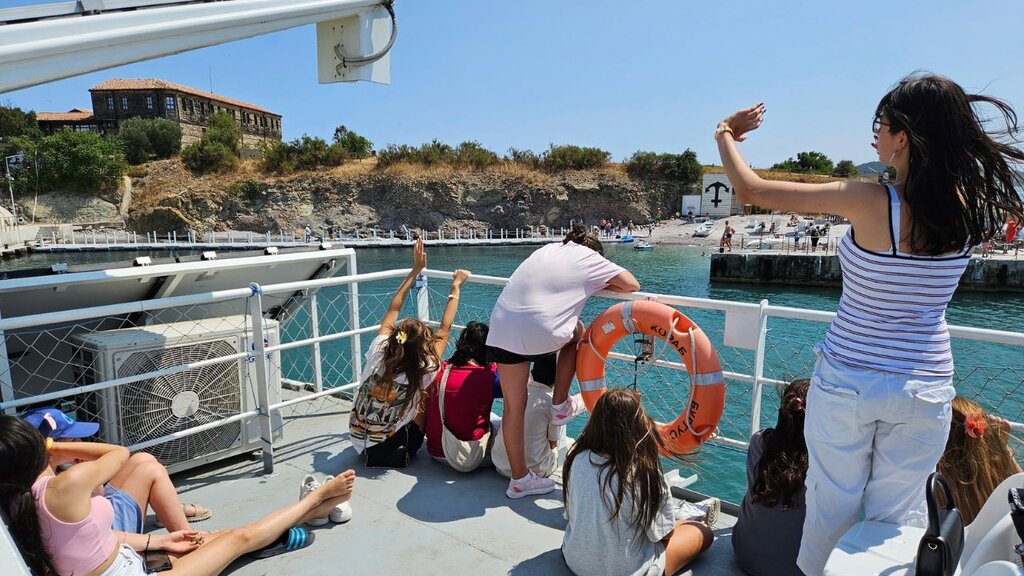
PHOTO Veneta Nenkova
"Last year we visited Sozopol, Nessebar, St. Anastasia Island, Burgas. We went to Plovdiv and it was a truly incredible vacation. But some of our students from Rome didn't come because we weren't at the Albena resort. Somehow, Albena has turned out to be our Bulgarian place over the years.
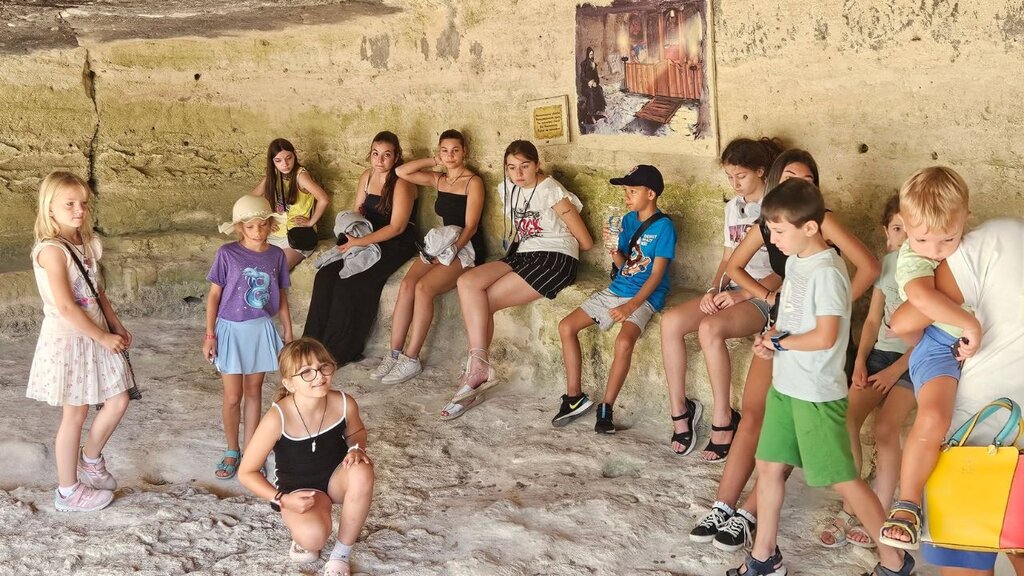
PHOTO Veneta Nenkova
In the region of Varna, Dobrich, Silistra, Shumen, there are so many interesting places and sites to visit."
Veneta Nenkova, as a professional tour guide, cultural expert, and researcher, says that she constantly tries to make a connection between the city where her students live - Rome, and the Bulgarian lands.
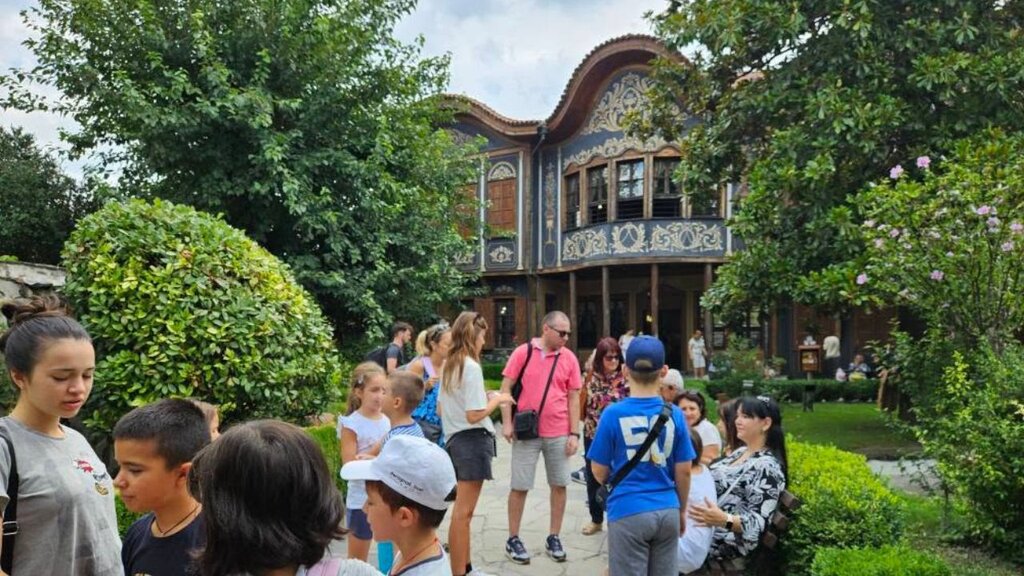
PHOTO Veneta Nenkova
"However, let's not forget that for seven centuries these lands were part of the Roman Empire and in this sense there is a double education that we are doing. We follow the Bulgarian and Thracian traces in Bulgaria, but also the Bulgarian and Thracian traces in Italy. Now, as in previous times, we will focus on the traces that the Romans left on our lands in Silistra, the ancient Durostorum near the city, where there are fortress walls and tombs. The archaeological museum is wonderful with these old, unique Roman statues," she says.
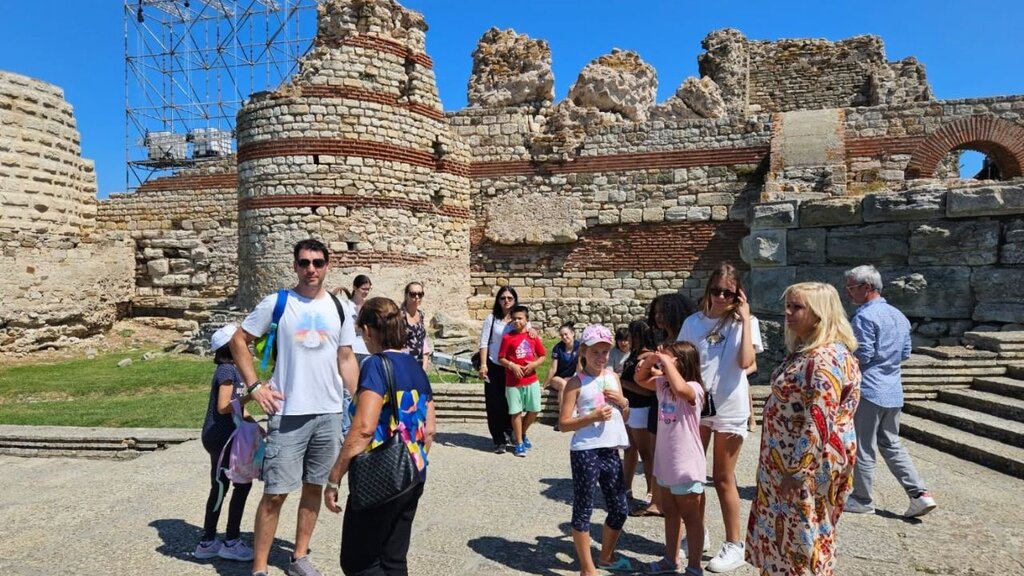
PHOTO Veneta Nenkova
"I try to show our children that we are part of Europe. We have always belonged to Europe and Europe is part of us. If you go to any museum in Italy, including the Vatican, 15-20% of what is exhibited there is of Thracian origin. You will find Bulgarian traces everywhere in Rome. Our history is a common European history, to which we all belong."
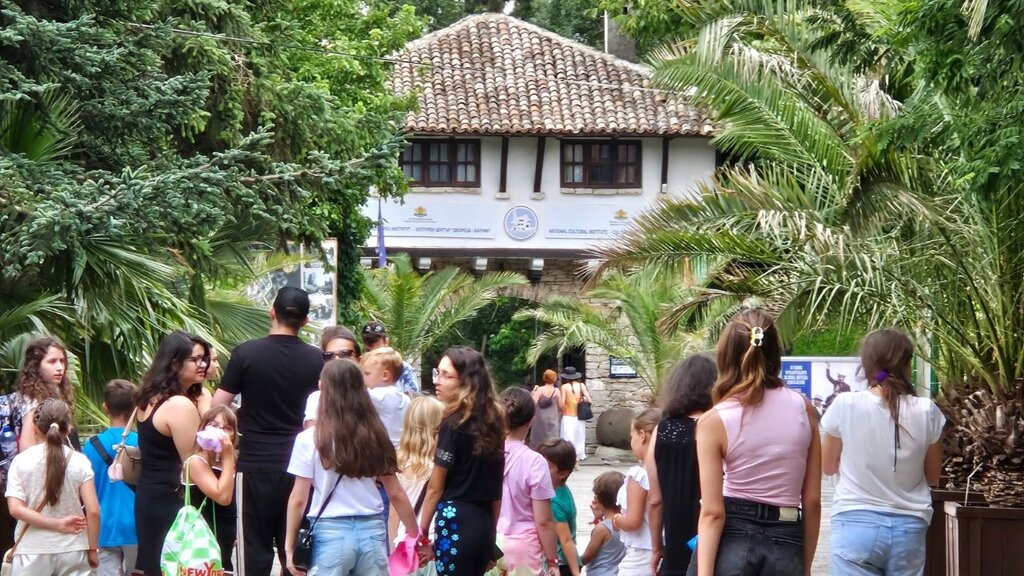
PHOTO Veneta Nenkova
That is why Veneta Nenkova hopes that the national program "Bulgaria - Educational Routes" of the Ministry of Education and Science will continue its existence, because such trips help to form Bulgarian identity by getting to know a place, help to preserve Bulgarian spirit, which is so necessary: "Because the children who study in Bulgarian Sunday schools, even if they live abroad, if they have this feeling of belonging to the Bulgarian family, be sure, they will work for Bulgaria in one way or another!" she says.
See also:
A Lesson on Bulgaria… with the “Azbukarcheta” Bulgarian School in Spain
A Lesson on Bulgaria: Bulgarian children from Larnaca go to the Rhodopes and BNR
A Lesson on Bulgaria... with the students of Hristo Botev School in Bratislava
A Lesson on Bulgaria: Knowledge becomes shield for Bulgarian children in Skopje
A Lesson on Bulgaria… with the Abagar Bulgarian school in Rome, Italy
A Lesson on Bulgaria… with Rayna Knyaginya Bulgarian School in Burgos, Spain
A lesson on Bulgaria... with the pupils of the Sts Cyril and Methodius in Athens
This publication was created by: Alexander Markov