Author
Ksenia Decheva
Article
Guardian of Time in Taraclia: a museum of the spirit of Bessarabian Bulgarians
How the renovated Cultural Heritage Museum preserves the ancestral memory of our compatriots in Moldova
Saturday 14 November 2026 13:05
Saturday, 14 November 2026, 13:05
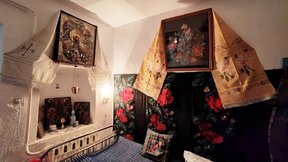
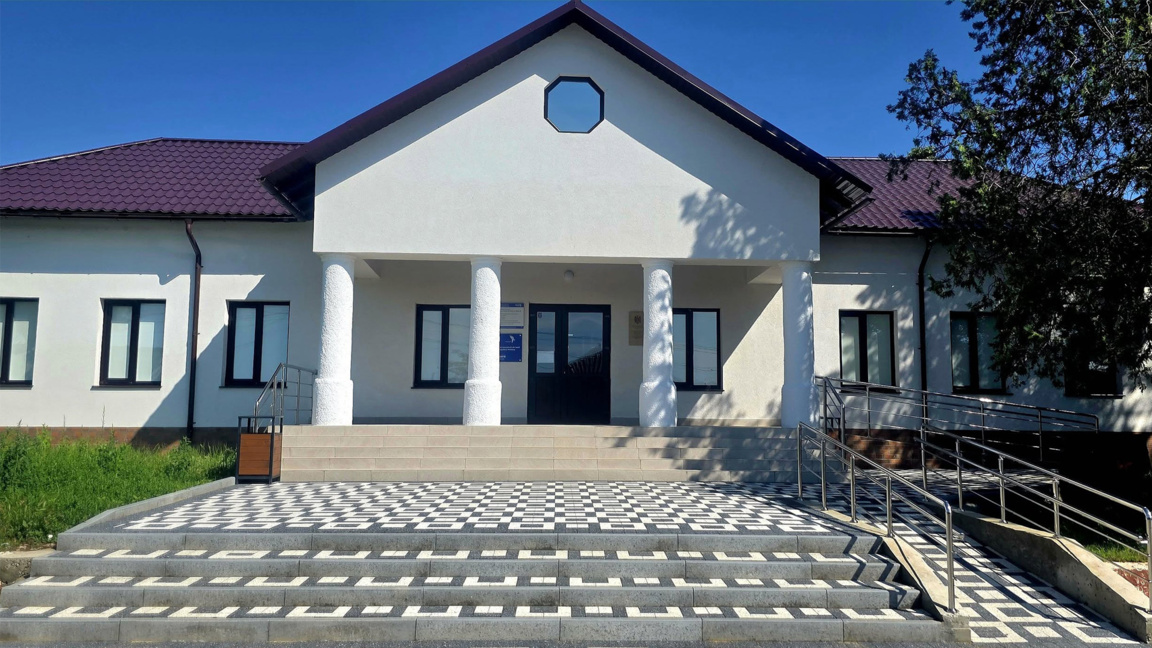
PHOTO facebook.com/muzeitaraclia2013
Font size
In the heart of Bessarabia, where the memory of the Bulgarian settlers lives on in every home, the Cultural Heritage Museum in Taraclia is embarking on a new chapter. Following an extensive renovation, it reopened in May this year in a completely refurbished form. Its floor space has increased considerably, by more than 150 square metres, making it possible to open two important new halls: one dedicated to science and technology, and another serving as a conference hall with a cinema.
The condition of this museum is of particular importance to Bulgarian cultural heritage in this part of Moldova, especially given that nearly 80 per cent of Taraclia’s population is of Bulgarian descent. The museum’s exhibition is built around two major historical themes. The main one focuses on the migration, everyday life and culture of the Bessarabian Bulgarians, while the second traces the war years and the Soviet period.
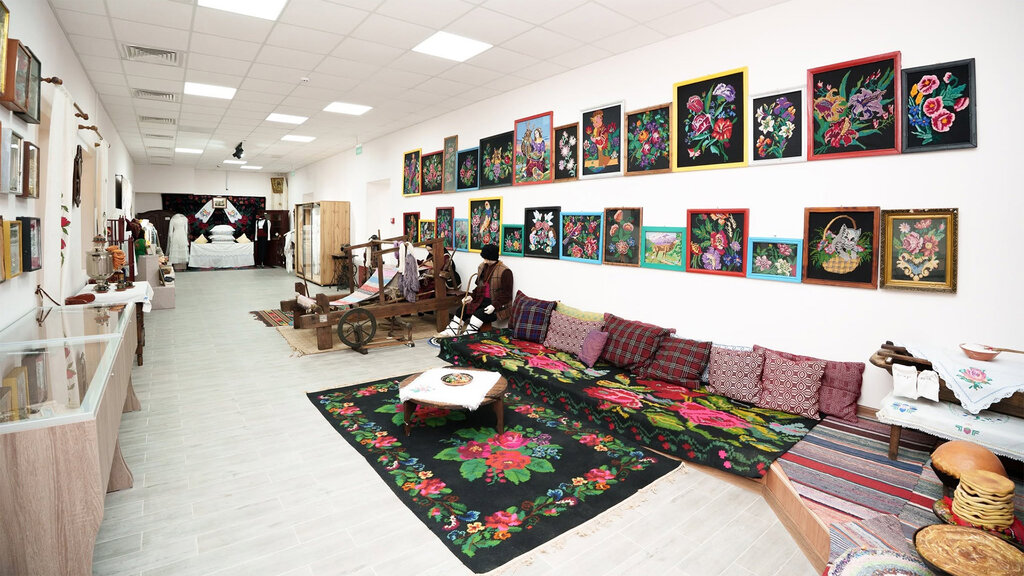
PHOTO facebook.com/muzeitaraclia2013
All the authentic objects on display have been donated by the residents of Taraclia themselves. Alongside unique carpets dating back a century and a half and icons from the early 20th century, visitors can see ploughs, dikanis (traditional agricultural implements used for threshing), old charcoal-heated irons and hand-operated mills.
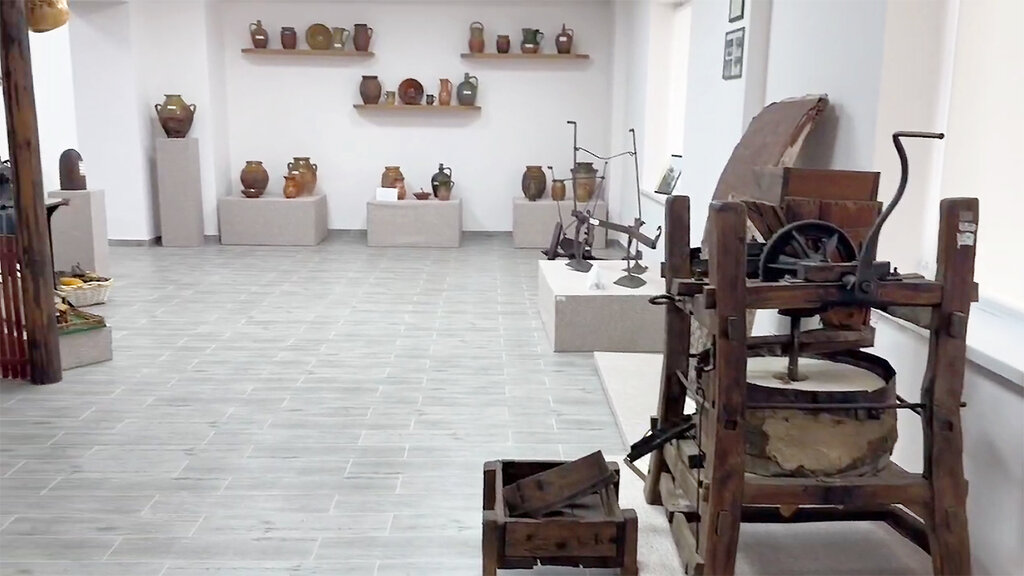
PHOTO Ksenia Decheva
Particularly moving is a dedicated section devoted to Bulgarian wedding traditions. In addition to the bride’s traditional trousseau, the display includes wreaths made for the best man and the other close wedding guests.
An exceptionally rare exhibit is the bridal wreath, which, according to an old Bulgarian custom, was kept after the wedding, tucked behind the frame of an icon depicting the Virgin Mary and the Christ Child. It was this very icon that the parents used to bless the newly married couple.
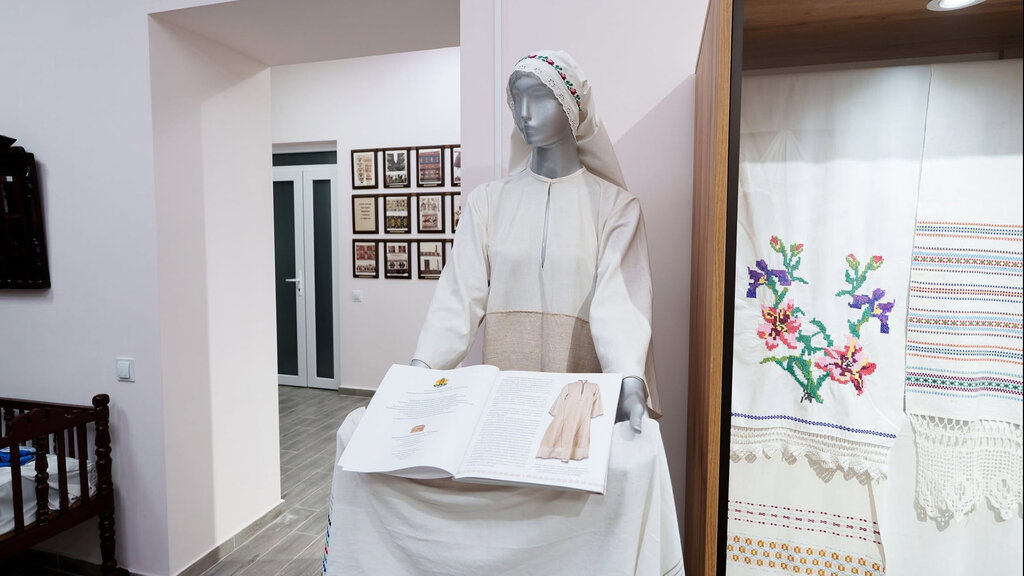
PHOTO facebook.com/muzeitaraclia2013
The museum also safeguards artefacts of national significance, including a unique collection of embroidered motifs unmatched anywhere else in Moldova. It was assembled in the 1960s by the renowned ceramic artist Esfir Greku and donated to the museum by her daughter, Tamara Greku.
Today, there is good reason to feel reassured about the preservation of these treasures. Following the renovation, the museum now has a total of five main exhibition halls. Whereas previously around 1,300 objects were housed in cramped, dilapidated premises, with no clear chronological arrangement or systematic organisation, visitors can now admire more than 3,500 original exhibits. This represents half of the museum’s extensive collection, while the rest is carefully preserved in specialised storage facilities.
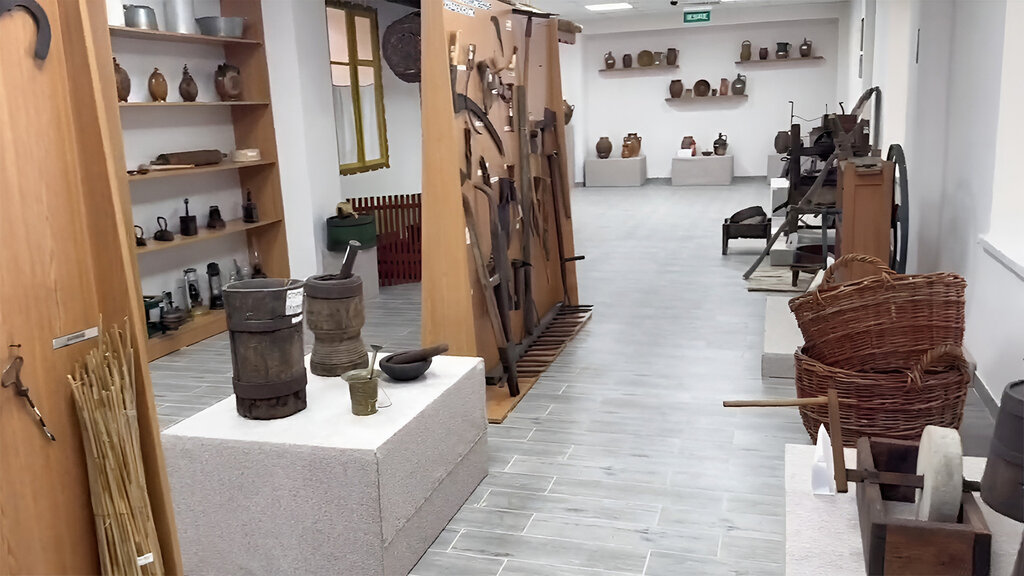
PHOTO Ksenia Decheva
From a Collective Farm Nursery to a Modern Museum
The building itself bears witness to the complex history of the town of Taraclia. It originally served as the administrative headquarters of the Kalinin collective farm ("kolhoz"), before being converted into a nursery for the farm’s children. After the nursery closed, the building stood empty for many years. It was not until 2011 that Taraclia Town Hall decided to establish a cultural heritage museum there. The museum was officially opened in August 2013. Its development has since followed a challenging path, culminating in the modern institution visitors can see today.
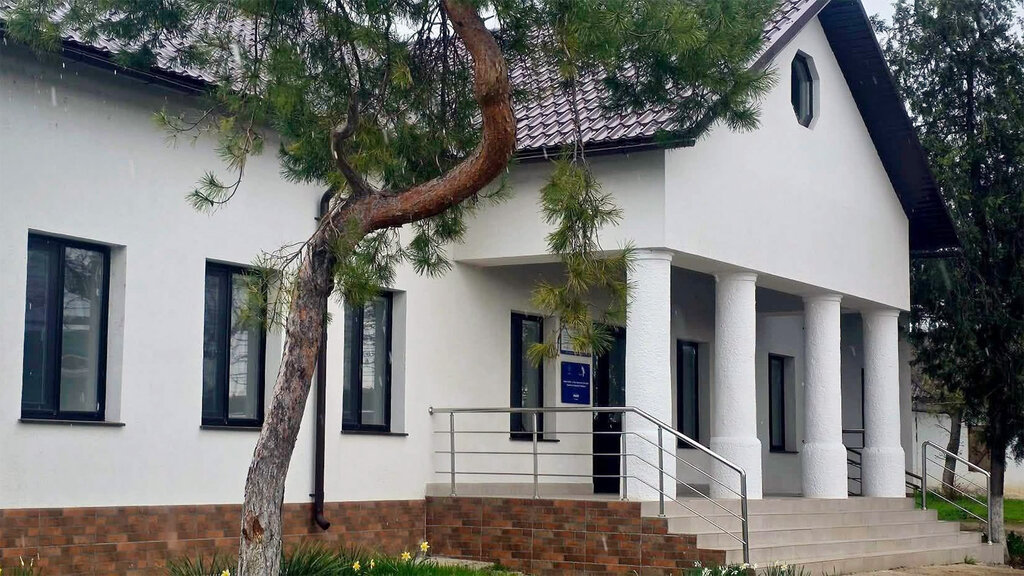
PHOTO facebook.com/muzeitaraclia2013
The museum also tells the story of the rich craft traditions for which Moldova’s Taraclia district was once renowned, with Bulgarian settlers making a significant contribution to their development. Pottery occupies an important place in the exhibition, with traditional large storage vessels, jugs and flasks, alongside furriery, the making of horse harnesses and broom-making. Today, these crafts have almost disappeared under the pressure of modern technology.
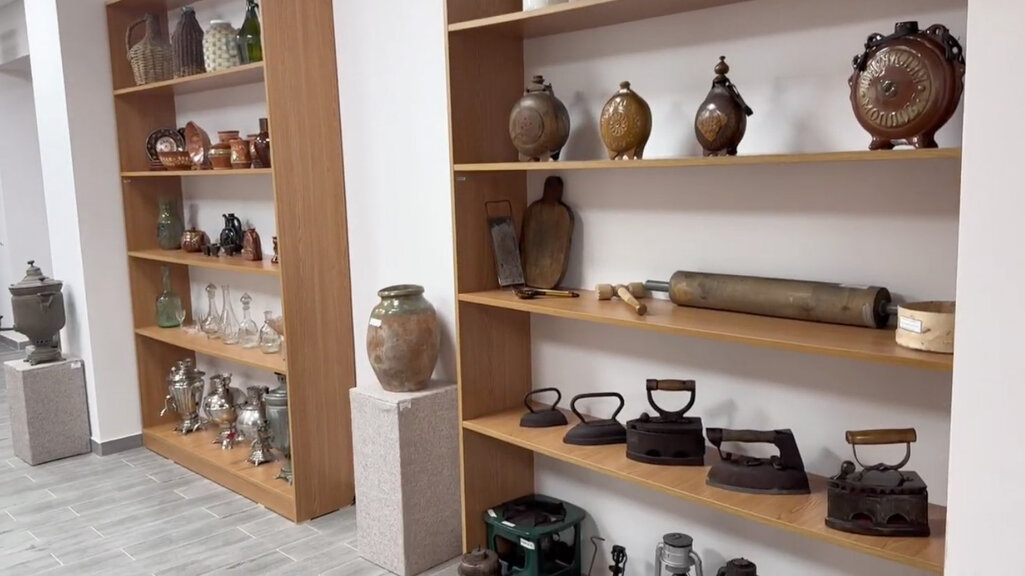
PHOTO Ksenia Decheva
The museum’s extensive archive of more than 2,500 photographs enables historians to reconstruct key events in the town’s history.
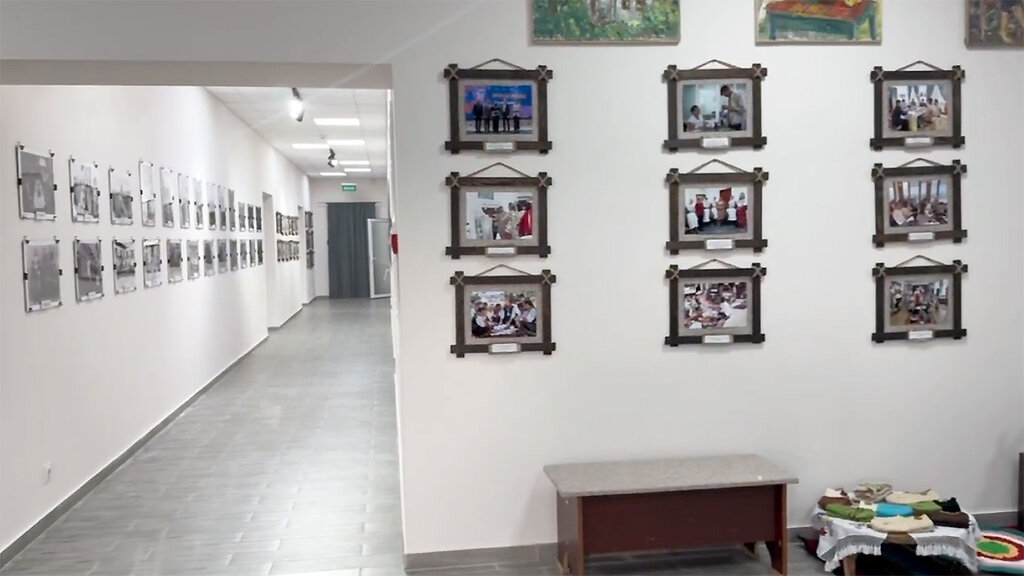
PHOTO Ksenia Decheva
The military exhibition also preserves original uniforms donated by Bulgaria. Among its most poignant items are the personal belongings of Vladislav Kara, an officer regarded as a local hero in Taraclia, the centre of Bulgaria’s community in Moldova. A Bessarabian Bulgarian, he was killed in Chechnya and posthumously awarded the Order of Valour. His father personally donated the decoration to the museum, where it is preserved as a relic.
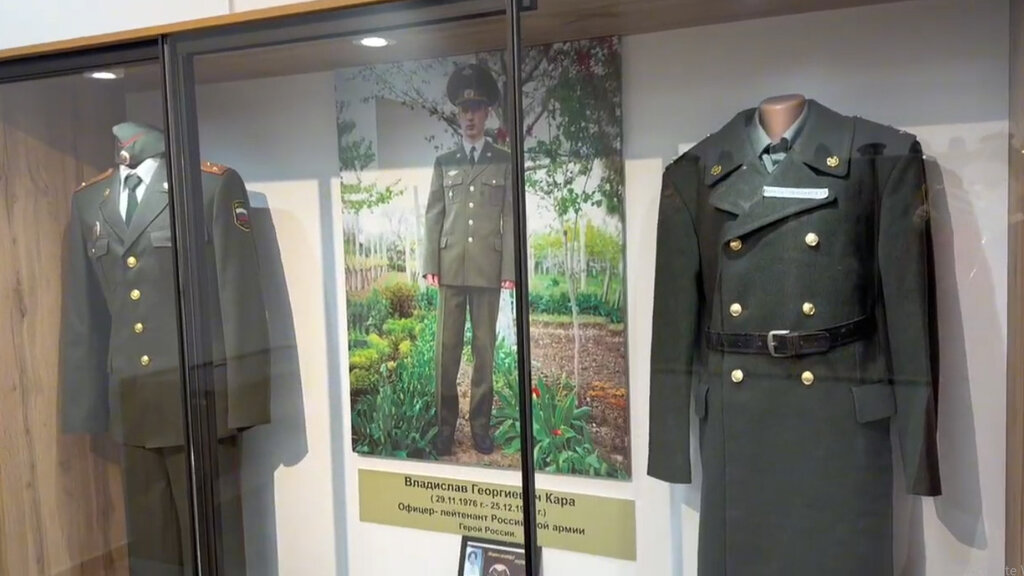
PHOTO Ksenia Decheva
The Cultural Heritage Museum in Taraclia not only safeguards the past but also looks confidently to the future. In partnership with the town hall, plans are under way to establish a comprehensive ethno-cultural complex and install interactive screens in every exhibition hall. This home of memory demonstrates how every donated photograph, personal possession or fragment of family history can bring the priceless pages of Bessarabia’s past back to life, while preserving the connection with Bulgarian roots and traditions.
Photos: Ksenia Decheva, facebook.com/muzeitaraclia2013/
Edited by E. Karkalanova
English editor: R. Petkova
This publication was created by: Rositsa Petkova