


Author
Veneta Nikolova
News
New currency, old problems – a year of uncertainty and question marks begins
Thursday 1 January 2026 09:05
Thursday, 1 January 2026, 09:05
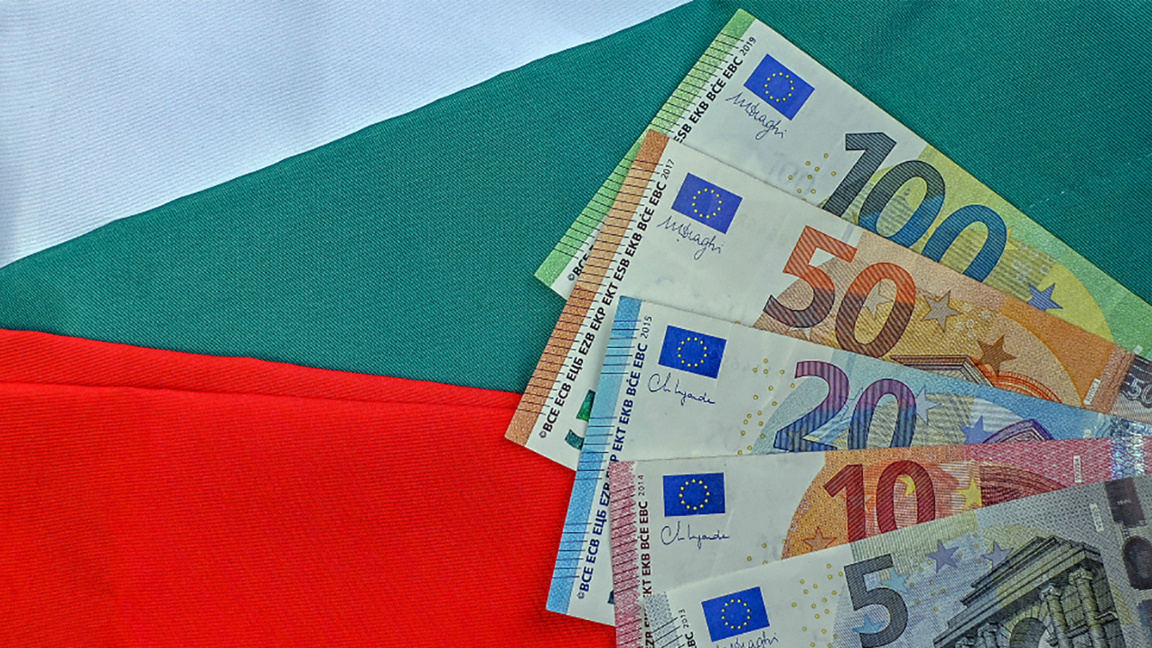
PHOTO BTA
Font size
On January 1, 2026, Bulgaria woke up with a new currency, but with
its old, well-known political instability. After many years of
preparation, the country is now part of the eurozone and the lev is
giving way to the euro. This was the most discussed topic throughout
the past 2025. However, the historic financial event is happening
without an adopted regular state budget. The reason – the
resignation of the government
as a result of some of the most massive protests since the beginning
of the transition to democracy. As we all know, incomes, taxes, social
payments and the general feeling of predictability depend on the
budget.
Parliament approves 2025 budget extension as Bulgaria enters 2026
The political situation in Bulgaria: "Expect the unexpected"
Political 2025: Protests and government in resignation beforeeurozone entry
For Bulgarians, the euro means new banknotes and coins, but also
another batch of worries – that prices would continue to creep up
and that people will become poorer. Economists claim that inflation
cannot be explained only by the adoption of the new currency, but the
prevailing feeling among the population is different and that is what
will dominate at least in the first months of the year.
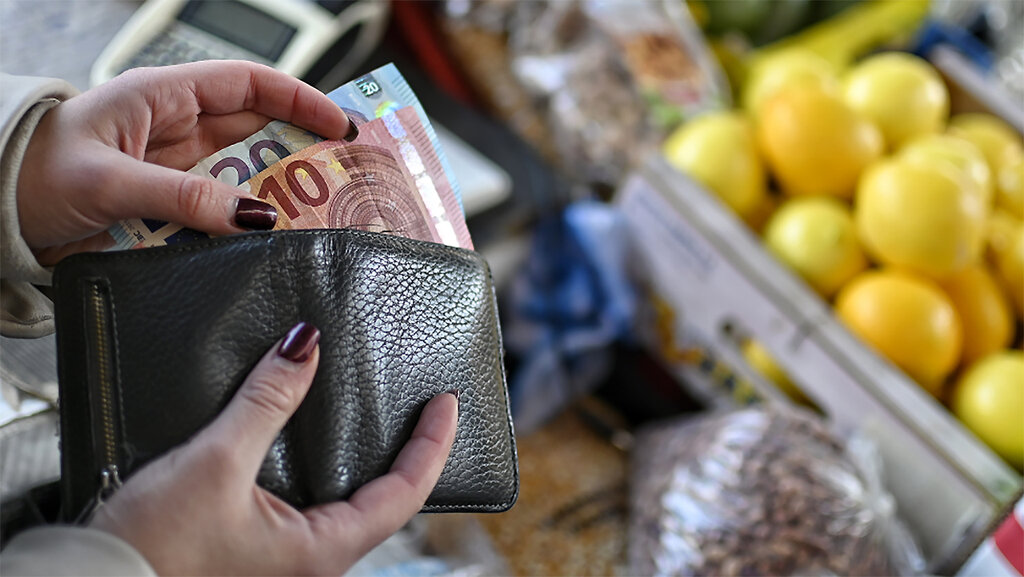
PHOTO BTA
So, from the beginning of 2026, all incomes – salaries, pensions, social benefits, will now be paid in euros and will be automatically converted at the fixed rate. Bank accounts are converted without additional fees. And no, the lev will not disappear overnight. In the first months, prices in stores and services will be displayed both in levs and in euros and by the end of January people will be able to pay with both currencies. The exchange of levs at the BNB remains free and without a deadline.
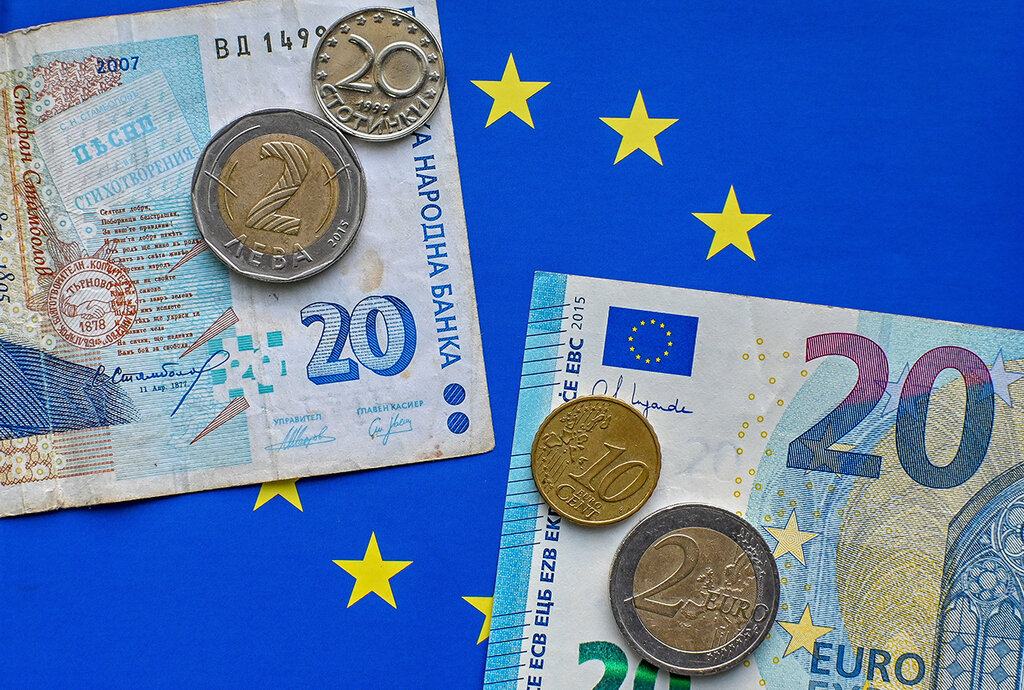
PHOTO BTA
At this backdrop, we do not have good news about the incomes – at least at the beginning of 2026. Pensions will not increase from January 1 as the law provides for their update to take place in the middle of the year. The same applies to most social payments. But there is one exception – from January 1, by decision of the Council of Ministers, the minimum wage increases by 12.63% and reaches about 620 euros. And for employees in the budget sector, a one-time indexation of wages is provided, calculated according to the accumulated annual inflation as of December 31, 2025.
PHOTO Pixabay
The reason for the current situation is clear – Bulgaria entered 2026 without a new state budget. Instead, the old or so-called "extended" budget law will be in effect so that the state can work, but without new policies, without additional costs and without increases in incomes.
This financial pause coincides with expected political turbulence. Bulgaria is once again heading towards new early parliamentary elections - most likely in March. In the meantime, the government will be in the hands of a caretaker cabinet. The parliament will have a limited role, which means postponed decisions, frozen revenues, public tension, lack of predictability and trust.
PHOTO mrrb.bg
And while the country is floundering, a serious step beyond the eurozone is about to be taken. Without much fanfare, Bulgaria is actively negotiating for full membership in the Organization for Economic Cooperation and Development (OECD), known as the "club of rich countries". There is a high probability that the country will be accepted in the first months of 2026. This is not just a prestigious presence, but a serious commitment to higher standards in governance, education, tax policy and the investment environment. It will not be felt immediately, but it is a signal of a long-term direction in Bulgarian politics - something that rarely happens and that most people in the country do not realize at this moment.
PHOTO library
That is how 2026 starts with a new currency, with political and social tension, but also with hopes. For us Bulgarians, this will be a year of adaptation – not only economic, but also psychological. We will have to get used to the new numbers, the new prices and another fierce election campaign, while the country hesitates in search of solutions and its place in a world marked by conflicts, unpredictability and global crises.