Tuesday 26 May 2026 14:33
Tuesday, 26 May 2026, 14:33
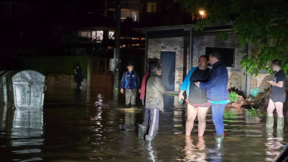
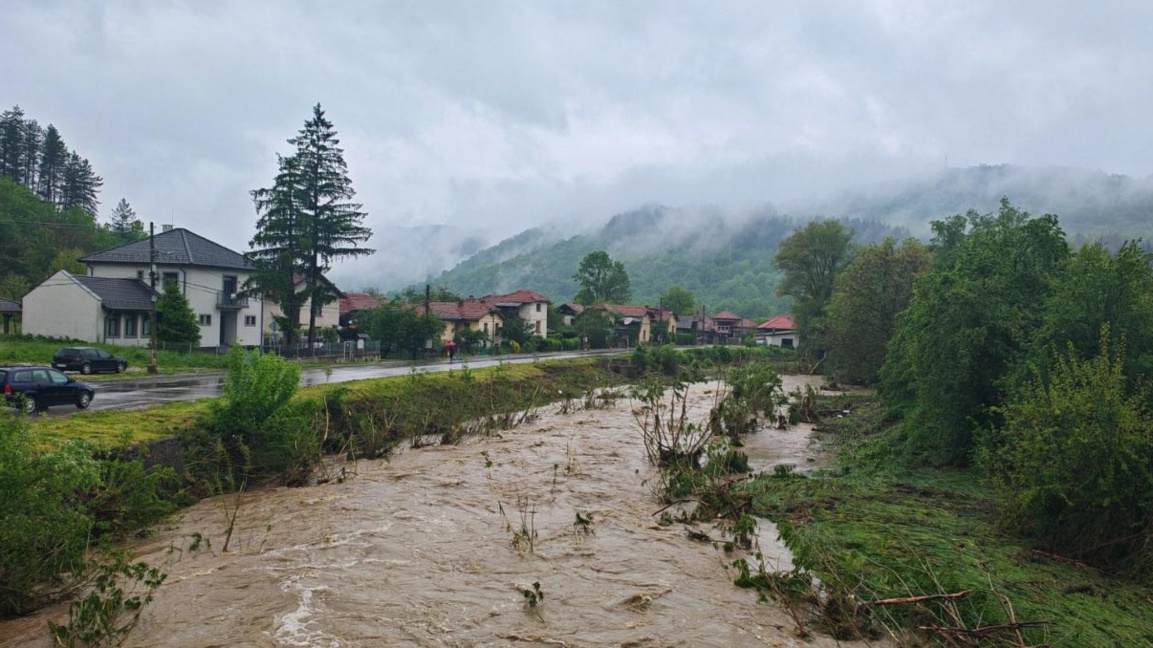
PHOTO BGNES
Font size
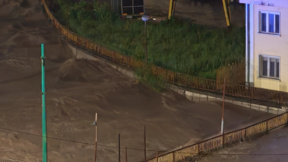
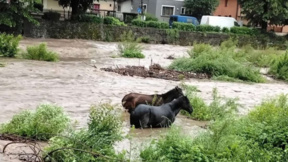
In recent days, Bulgaria has been hit by some of the most severe floods in years. Following torrential rainfall, rivers overflowed their banks, neighbourhoods were inundated, roads and bridges were destroyed, and hundreds of people were left with flooded homes. The most seriously affected areas are Veliko Tarnovo, Gabrovo, Sevlievo, and Apriltsi in central Bulgaria.
In Sevlievo, rising waters destroyed part of a key water supply pipeline, leaving the town and six nearby villages without water. After round-the-clock work, emergency teams managed to restore water supply. Local authorities expect the state of emergency in Gabrovo region to be lifted once the situation is fully stabilised.
State of emergency in Veliko Tarnovo after Yantra river overflows
Partial state of emergency in Gabrovo and Dryanovo after torrential rain
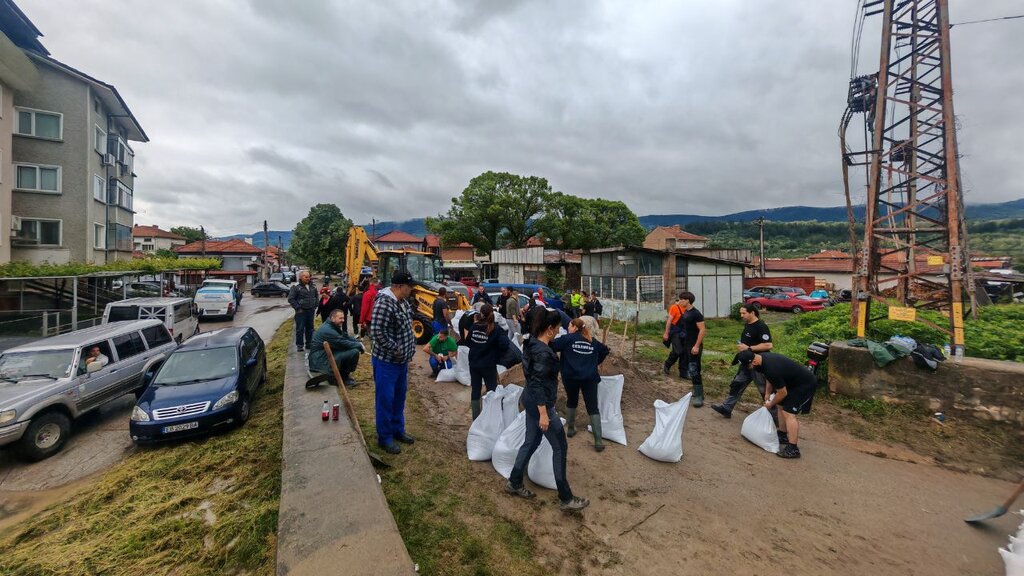
PHOTO BTA
Among those affected is Vanya Vateva, whose home has been severely damaged. According to her, the losses exceed €20,000, as documented by the relevant authorities. The Sevlievo resident blames institutions for lack of maintenance and prevention:
“Why did it come to this? Because of negligence by the authorities and services that do not clean the sewage system in time. The river was cleaned last year, but the non-urbanised areas were not cleared - there the river level rises and the flood wave reaches the town. I am 43 years old and I have never seen such a large-scale flood,” she said, referring to the overflowing Rositsa River, adding that life continues “with a struggle to restore what was damaged.”
Around 20 people evacuated in Sevlievo after Rositsa River overflows
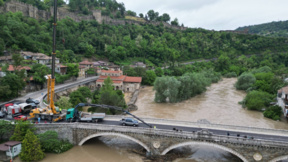
Yantra River in Veliko Tarnovo
PHOTO BGNES
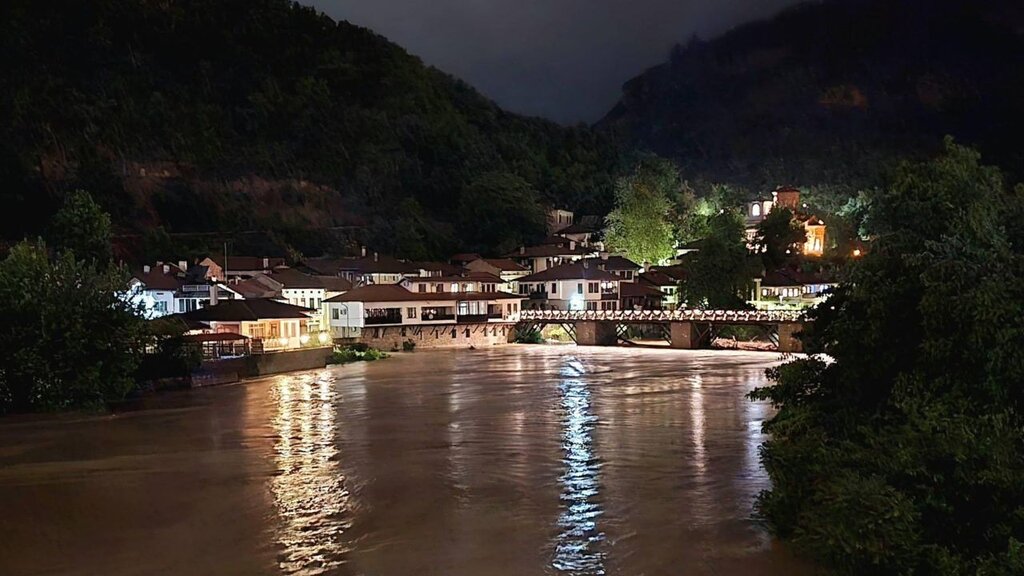
The historic city of Veliko Tarnovo is also among the affected areas. “There are no people in distress. Everything has already been cleaned. We managed to clear all streets that needed attention, and the houses of those affected were also properly cleaned,” said Deputy Mayor Georgi Nedev. An assessment of the damage is expected by the end of the week:
“We are ready to submit it to the state. Unfortunately, a Disaster and Emergency Commission has not yet been formed. I hope it will be established as soon as possible. To deal with this crisis, everyone in the country needs to be involved.”
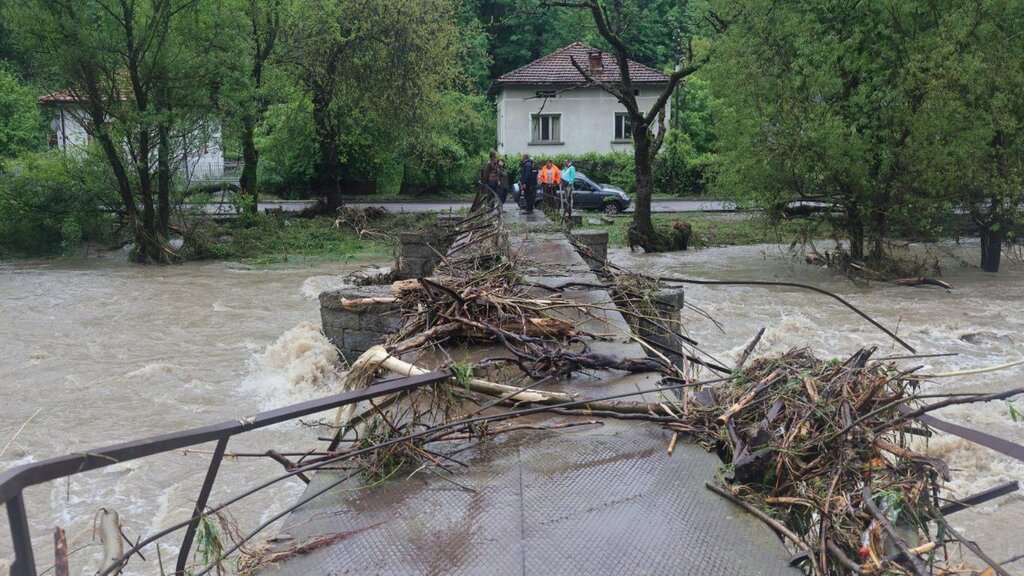
PHOTO BGNES
In the town of Apriltsi in the Balkan Mountains, around 50 houses were flooded, a pedestrian bridge was destroyed, and parts of streets were washed away. The disaster also led to the cancellation of celebrations marking 50 years since the town’s establishment and 150 years since the April Uprising.
Mayor Tihomir Kukenski told BNR that the immediate danger has passed, but recovery is just beginning:
“The situation has now normalised. The struggle with the consequences is just starting.”
Flooding also affected the nearby town of Troyan. “The damage was significantly smaller, although we also have serious losses that will require substantial funding,” noted Mayor Donka Mihaylova, deputy chair of the National Association of Municipalities in Bulgaria. According to her, broader infrastructure planning is part of the problem.
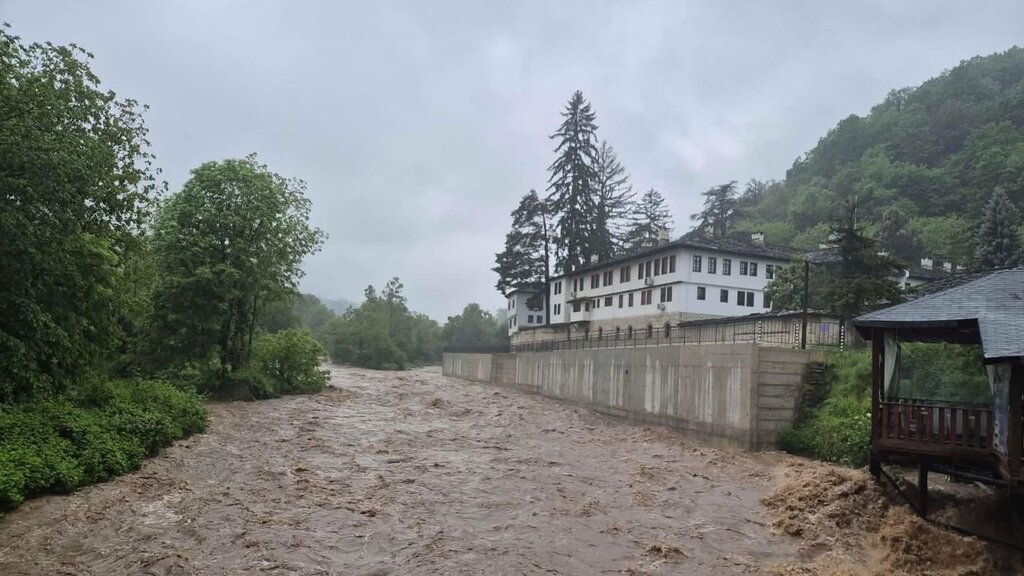
Troyan
PHOTO BGNES
Mihaylova says the causes of the disaster are complex - extreme rainfall, insufficient maintenance of riverbeds, and a lack of prevention funding:
“These were rainfall levels that are very difficult to control. Heavy rain cannot be stopped, especially in mountainous regions like ours. Secondly, there are shortcomings in the regulatory framework. Currently, under the law, municipalities are responsible for riverbeds in urban areas, while regional governors are responsible for riverbeds outside them. The third reason is that regional governors have no allocated funds for riverbed cleaning, and municipal budgets are extremely insufficient.”
She also highlighted another serious issue - lack of funding. Problematic in such natural distasters are not only riverbeds, adds Donka Mihaylova:
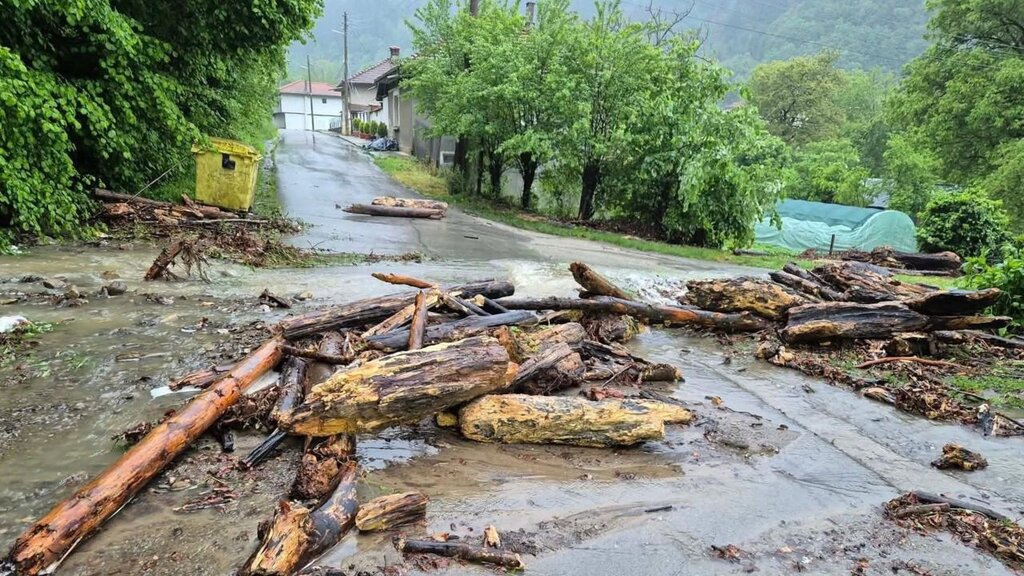
PHOTO BGNES
“A major problem is dry ravines in mountainous areas. These are not even mapped in the cadastre, and in many places mayors are not aware of their existence. Another issue is legal restrictions on removing dead wood, which leads to blockages. During heavy rain, everything slides down to the lowest point - which is usually populated areas.”
Donka Mihaylova also explained what affected residents should do next:
“Citizens should contact their municipalities. Committees appointed by mayors will visit affected homes. Compensation is granted only to people whose home is their sole residence and who live in it. Compensation is provided through the Disaster Commission and the Ministry of Labour and Social Policy.”
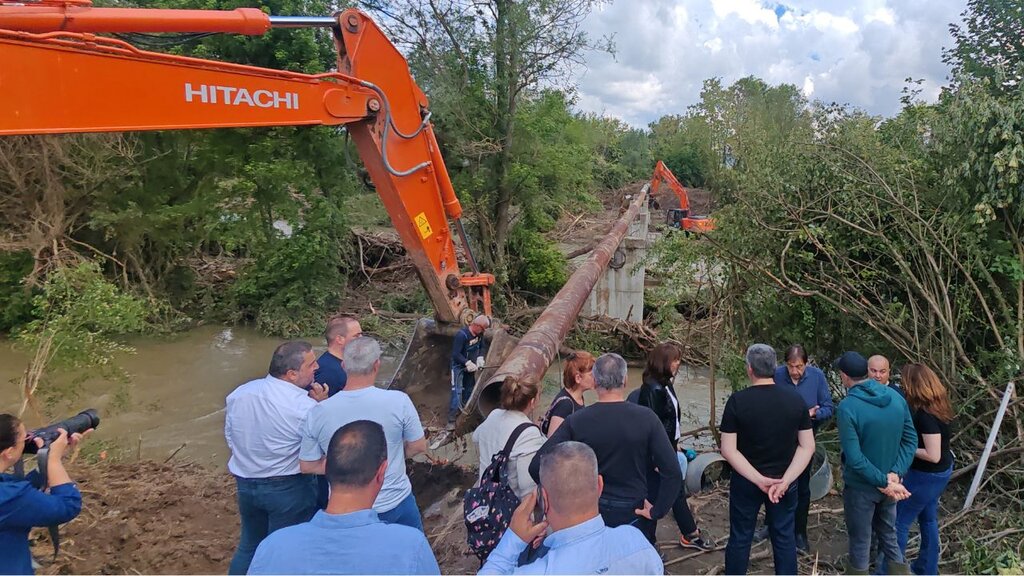
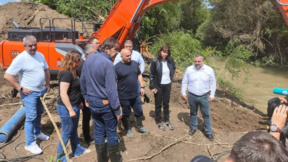
The Ministers of Regional Development and Public Works Ivan Shishkov, Labour and Social Policy Natalia Efremova, and Agriculture and Food Plamen Abrovski
PHOTO BTA
During a visit to affected regions, Regional Development Minister Ivan Shishkov said the state will support municipalities through the Interdepartmental Disaster and Emergency Commission, acknowledging that the disaster has revealed “long-standing problems in infrastructure that have been ignored over the years.”
The recent floods once again raise painful questions about Bulgaria’s preparedness for climate disasters, the condition of infrastructure, and the lack of long-term prevention. For people in the affected regions, however, the most difficult part is still ahead - the slow recovery of their homes and lives.
Read also:
About 3,000 decares of agricultural land have been affected by the floods
After the floods in northern Bulgaria, people are clearing their flooded homes
Based on interviews of Spas Krainin, BNR's Horizon channel
Edited by E. Karkalanova
This publication was created by: Rositsa Petkova