Author
Joan Kolev
Article
Marking the Day of Bulgaria's Western Outlands on November 8
Dimitar Dimitrov: A guardian of historical memory in Bulgaria's Western Outlands
Sunday 8 November 2026 15:29
Sunday, 8 November 2026, 15:29
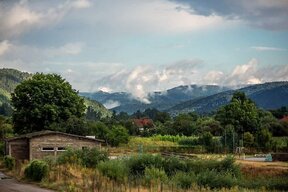
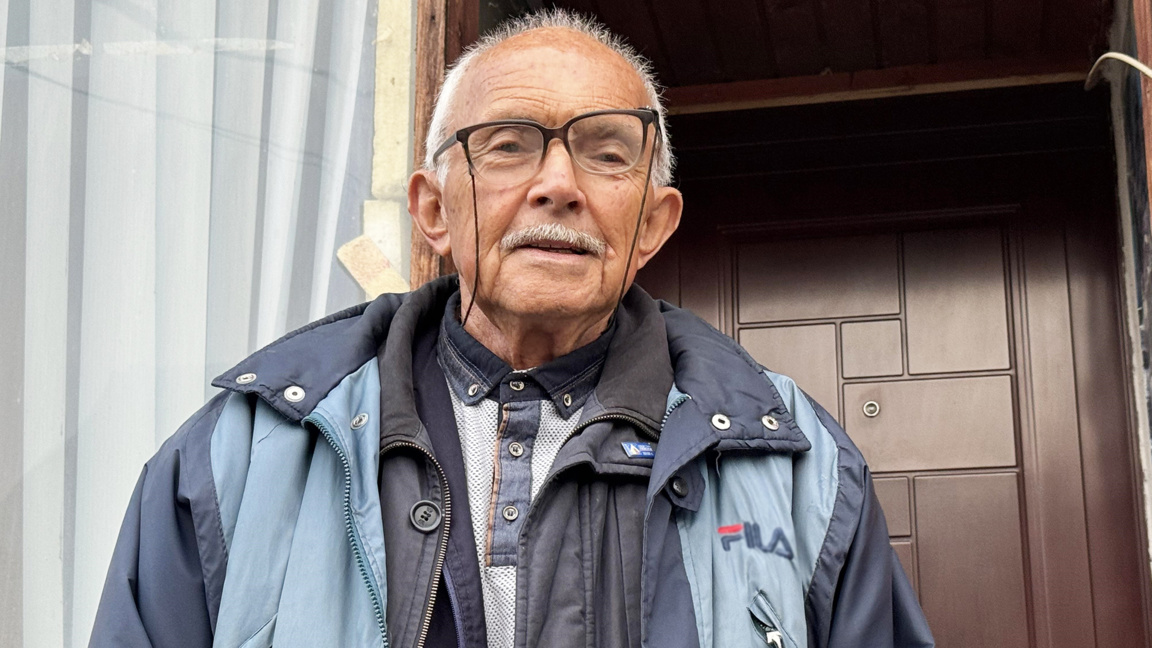
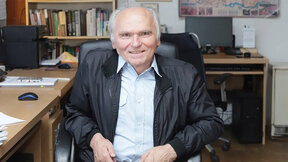
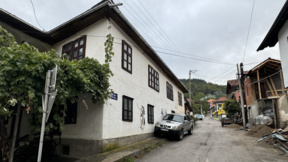
Dimitar Dimitrov
PHOTO BGNES
Font size
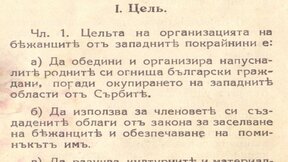
The days between 6 and 8 November 1920 marked the lives of Bulgarians in the Western Outlands with fear and sorrow. The occupation of the Bosilegrad, Tsaribrod and Strumitsa regions by Serbian troops, just over a century ago, remains deeply etched in their memory.
The consequences of Bulgaria’s separation from its ancestral territories after the end of the First World War are still visible today. The ceded territory covered 1,545 sq km and included 25 villages, as well as parts of the lands belonging to the Bulgarian towns of Tran and Kula. Every year, our compatriots, whom we often describe with a heavy heart as “so close, yet in reality so far from Bulgaria”, commemorate what they regard as black days in their history. They organise various initiatives, round-table discussions and debates, reflecting on the lessons of the past and the wounds that have yet to heal.
The 106th anniversary of these historic events provided the occasion for a special conference devoted to the Western Bulgarian Outlands, their history and future prospects. Held over two days, on 5 and 6 November, the conference took place in Sofia and Kyustendil. Among those attending the Sofia meeting was Dimitar Dimitrov, one of the senior figures of the Bulgarian community, who celebrated his 80th birthday earlier this year.
November 8 is a reminder of the pain from the past for the Bulgarians in Serbia
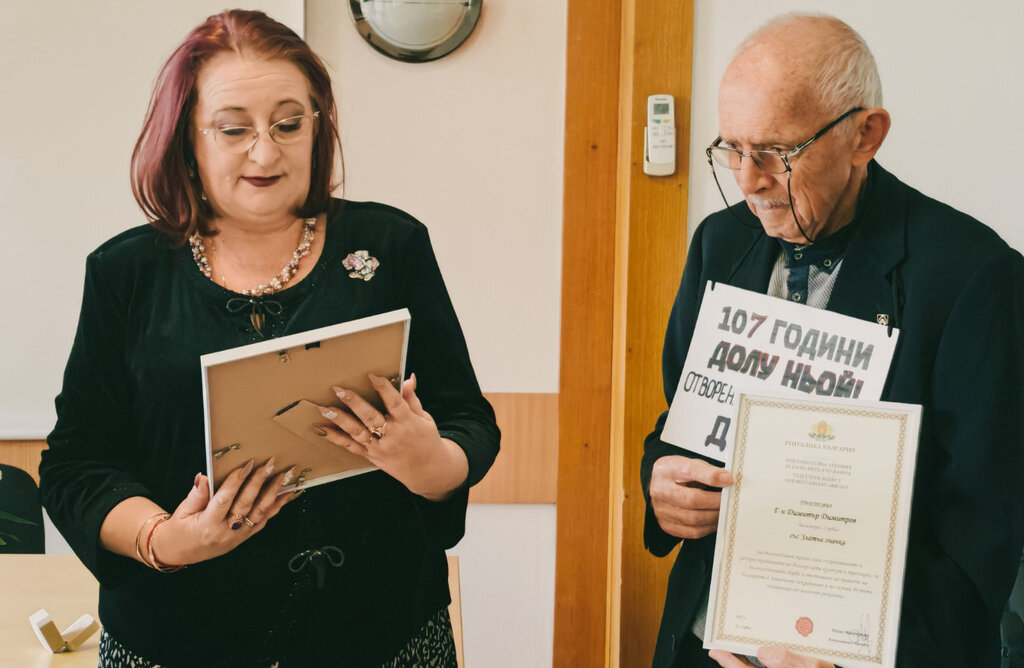
As part of the conference on the Western Outlands, Dimitar Dimitrov received the Golden Badge, awarded by the Executive Agency for Bulgarians Abroad.
PHOTO Joan Kolev
One of the goals to which he has devoted himself is the collection of an extensive archive of documents and information. He hopes that one day someone will take an interest in it and publish the historical evidence he has gathered. Another cause close to Dimitrov’s heart is preserving the memory of five Bulgarian soldiers who lost their lives in the Second Balkan War of 1913.
“These were men killed by a Serbian division before war had even been declared. A rumour was spread that they had been detained for gambling. They were taken to a spot one kilometre outside Bosilegrad, on the road to Vranje, where they were asked: ‘Do you want to sign a surrender, or not?’
The five men, with their hands tied, said that a Bulgarian soldier does not sign any surrender. They were killed. Taking human lives is a crime under all conventions, yet no one dared to say a word about it. Even today, I believe we have the right to bring those responsible to justice for what they did.
When the centenary of their killing approached, I decided to do something. I got to work: I cleared the site, built a platform and installed five stone slabs, which I had commissioned in Kyustendil. And so I brought the project to life. I am very proud and happy to have done this.”
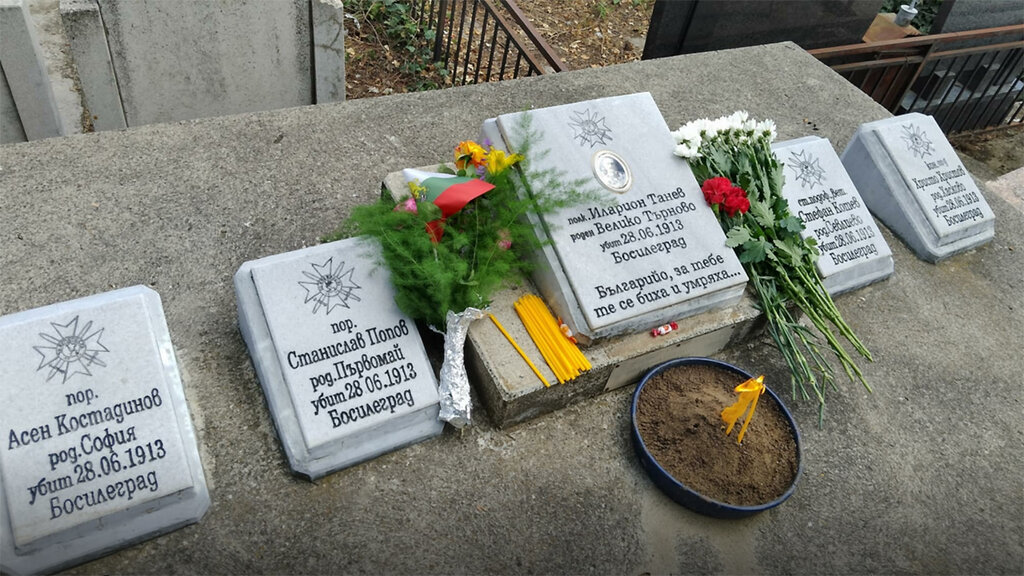
PHOTO glaspress.rs
The Day of the Western Outlands gives the Bulgarian from Bosilegrad an opportunity to remind his compatriots of an important moment in their history and the lesson it holds:
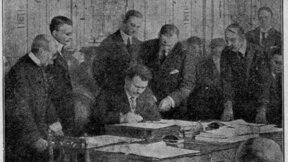
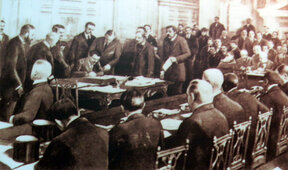
“The Treaty of Neuilly was signed on 27 November 1919, and from that day to the present, things have only gone from bad to worse. Bulgarian politicians should show more backbone when meeting their Serbian counterparts,” Dimitar Dimitrov advises, recalling a meeting between politicians from the two sides of the border in 2019.
“At the time, then Prime Minister Boyko Borissov and then Serbian President Aleksandar Vučić met. The Serbian leader greeted him with a sentence in Bulgarian, and Borissov replied that ‘from today, the Berlin Wall in relations between Serbia and Bulgaria has fallen’. The truth is that nothing has fallen, and everything is a catastrophe!” Dimitar Dimitrov insists.
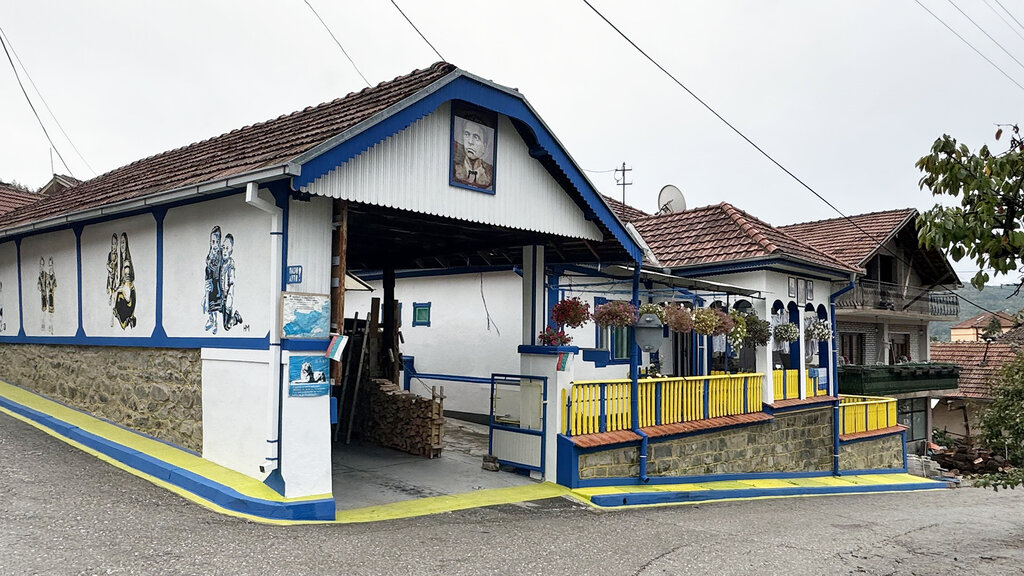
Dimitar Dimitrov’s home in Bosilegrad has been turned into a kind of museum dedicated to Vasil Levski and Bulgarian national identity
PHOTO BGNES
At the end of our conversation, our interviewee voices a faint hope for the future, linked to the outcome of the parliamentary elections in Serbia, won by the Student List movement:
“Let us hope that the students really will be able to achieve something now. I personally voted for them, although I rarely go out to vote in elections in Serbia. I have had more than my share of trouble with the authorities,” Dimitar Dimitrov says, bitterness in his voice, as he looks back on the past and on the years of his youth as a Bulgarian living in the easternmost reaches of what is now Serbia.
Read also:
Mass migration of young Bulgarians from Bulgaria’s Western Outlands continues
Our compatriots in the Western Outlands have not forgotten Bulgaria
The elegy for the Western Outlands fades out as a requiem
Edited by E. Karkalanova
English editor: R. Petkova